 Free shipping on orders over $75 across the U.S., with different free shipping promotions available in parts of
 Europe,
 South America,
 Australia.For all other countries, please contact us before placing your order, and we'll be happy to fast-track a shipping solution for you.
Pet Toys for Behavioral Problems: Stop Chewing & Save Furniture
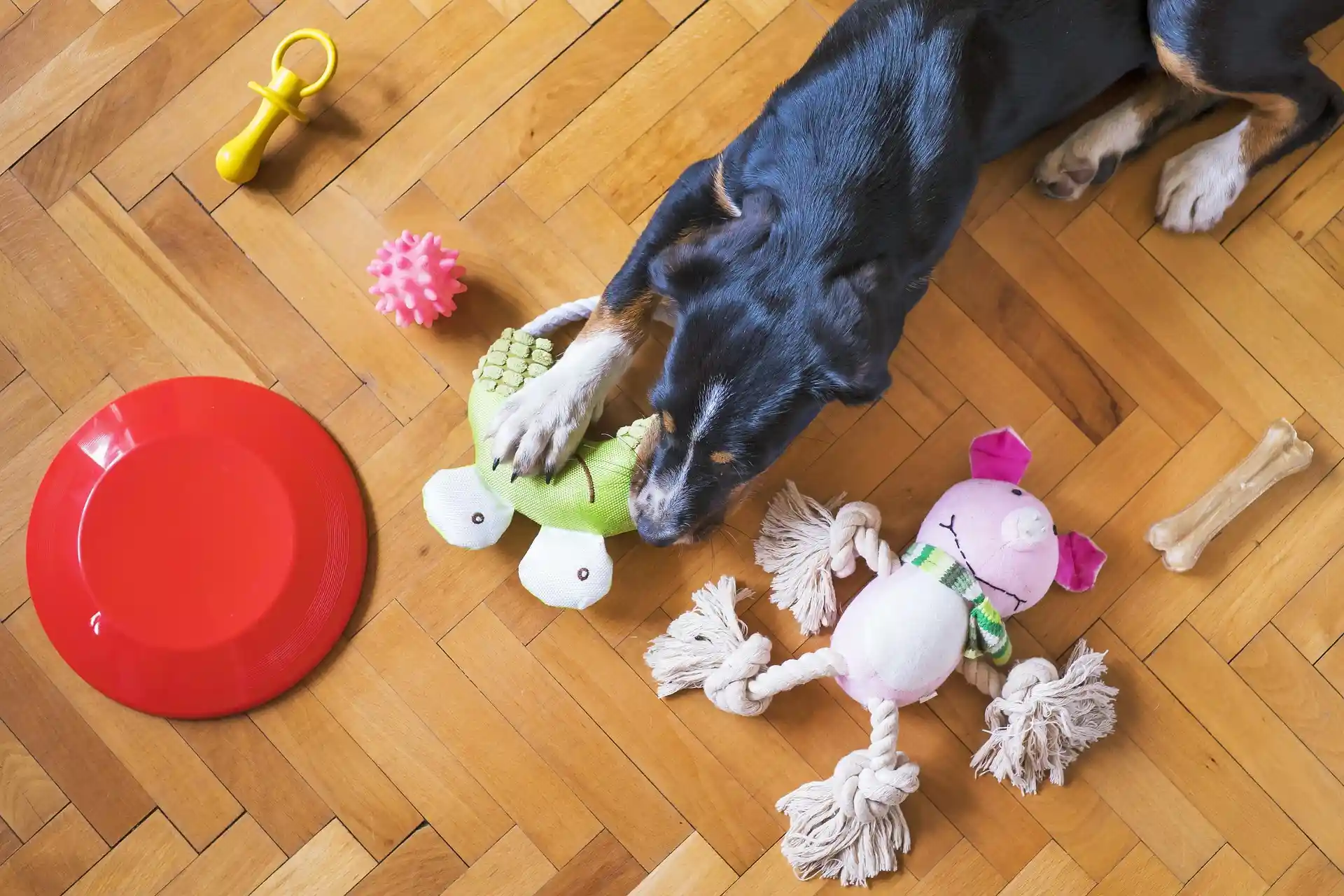
Is your cat shredding your sofa at 3 AM? Does your dog transform your favorite shoes into confetti the moment you leave for work? These aren’t acts of rebellion—they’re desperate signals for mental and physical stimulation.
Modern pets spend an average of 8-10 hours daily alone, creating a hidden epidemic of boredom, obesity, and anxiety. The solution isn’t stricter discipline or endless treats. It’s strategic enrichment through the right pet toys.

The Hidden Cost of an Under-Stimulated Pet
When pets lack appropriate outlets for their natural instincts, their mental health deteriorates rapidly. Indoor cats often develop compulsive behaviors like over-grooming or midnight yowling. Dogs may channel frustration into separation anxiety or destructive chewing that costs hundreds in repairs.
The statistics reveal a crisis:
- 40% of indoor cats show clinical signs of boredom and stress
- Destructive behavior ranks as the #1 reason dogs are surrendered to shelters
- Pet obesity rates have risen 108% since 2011, largely due to sedentary lifestyles
But here’s the good news: these issues are preventable with species-appropriate enrichment.
Why Mental Stimulation Matters More Than Exercise Alone
Physical exercise burns energy, but mental exercise builds calm. When pets engage in problem-solving play, they experience “productive tiredness”—the satisfying fatigue that comes from hunting, foraging, or conquering a puzzle.

Without this mental workout, pets remain in a state of chronic understimulation that manifests as:
- Hypervigilance and reactivity to noises
- Excessive vocalization or attention-seeking
- Compulsive licking, tail-chasing, or pacing
The right cat toys and dog toys aren’t luxuries—they’re therapeutic tools that satisfy deep biological needs.
Species-Specific Play: Understanding Different Needs
Cat Toys: Awakening the Indoor Hunter
Cats aren’t lazy—they’re tragically under-challenged. Indoor felines retain 95% of their wild hunting instincts with no prey to stalk. This frustration often explodes as “zoomies” at midnight or attacks on your ankles.
Effective enrichment for cats targets specific predatory phases:
- Stalking phase: Wand toys with feathers that mimic bird flight patterns
- Capturing phase: Crinkle toys and kickers that satisfy the “bunny kick” instinct
- Eating phase: Puzzle feeders that make them work for kibble, preventing scarf-and-barf
Rotate cat toys weekly to maintain novelty. A “new” toy from the closet triggers the same dopamine rush as a brand-new purchase.
Dog Toys: Channeling Energy and Preventing Chaos
While cats need hunting simulation, dogs require outlets for chewing, chasing, and problem-solving. A tired jaw is a quiet jaw—appropriate dog toys redirect destructive chewing from furniture legs to durable rubber.
Match the toy to your dog’s play style:
- Power chewers: Hard nylon bones or rubber Kongs that withstand aggressive gnawing
- Herding breeds: Frisbees and balls that satisfy the chase instinct
- Anxious dogs: Lick mats and snuffle mats that trigger the calming reflex through foraging
Supervise initial play to ensure safety, then build a “toy rotation” system to prevent boredom.
Safety First: Choosing Toys That Comfort, Not Harm
Not all pet toys are created equal. Cheap plastics can splinter into sharp edges, while string toys pose intestinal blockage risks if swallowed whole.
When selecting toys, prioritize:
- Non-toxic, BPA-free materials
- Size-appropriate dimensions (too small = choking hazard)
- Washable surfaces that prevent bacterial buildup
- Durability ratings matched to your pet’s chew strength
Beyond active play, consider “comfort toys”—soft plushies or blankets that provide security during storms or separation. Many dogs self-soothe by carrying a specific toy, while cats may knead soft blankets to reduce stress.
Building Your Pet’s Toy Box: A Starter Strategy
You don’t need to buy every toy on the market. Start with a minimalist approach:
- One puzzle toy for mental stimulation during meals
- One interactive toy for daily bonding play (wand toy for cats, tug rope for dogs)
- One comfort item for solo relaxation
- One high-value chew for dental health and anxiety relief
Observe which types your pet gravitates toward, then expand that category. Some cats ignore wand toys but go crazy for automated laser pointers. Some dogs disdain balls but will work for hours on treat puzzles.
The Bottom Line: Play Is Prevention
Investing in quality pet toys today prevents costly behavioral consultations and furniture replacement tomorrow. More importantly, it transforms your pet from a passive observer of life into an engaged, satisfied companion.
Whether you need specialized cat toys for your indoor panther or durable dog toys for your power chewer, remember: play isn’t frivolous. It’s the foundation of a healthy, happy pet.
Start with one new enrichment activity this week. Watch your pet’s eyes light up as ancient instincts awaken. That transformation—from bored to engaged, from anxious to confident—is why the right toys matter.